Poker Pot Odds Calculation Guide for Australian Players
 Comunicación TVP
If you play poker in Australia, knowing your numbers matters more than reading the room. This poker pot odds calculation guide breaks the maths down so you can make clearer calls at the table, whether you are watching a Western Sydney card room on a slow arvo or logging in from home. The goal is simple: turn raw ratios into decisions you can defend when the pressure rises.
Why the maths matters more than the mood
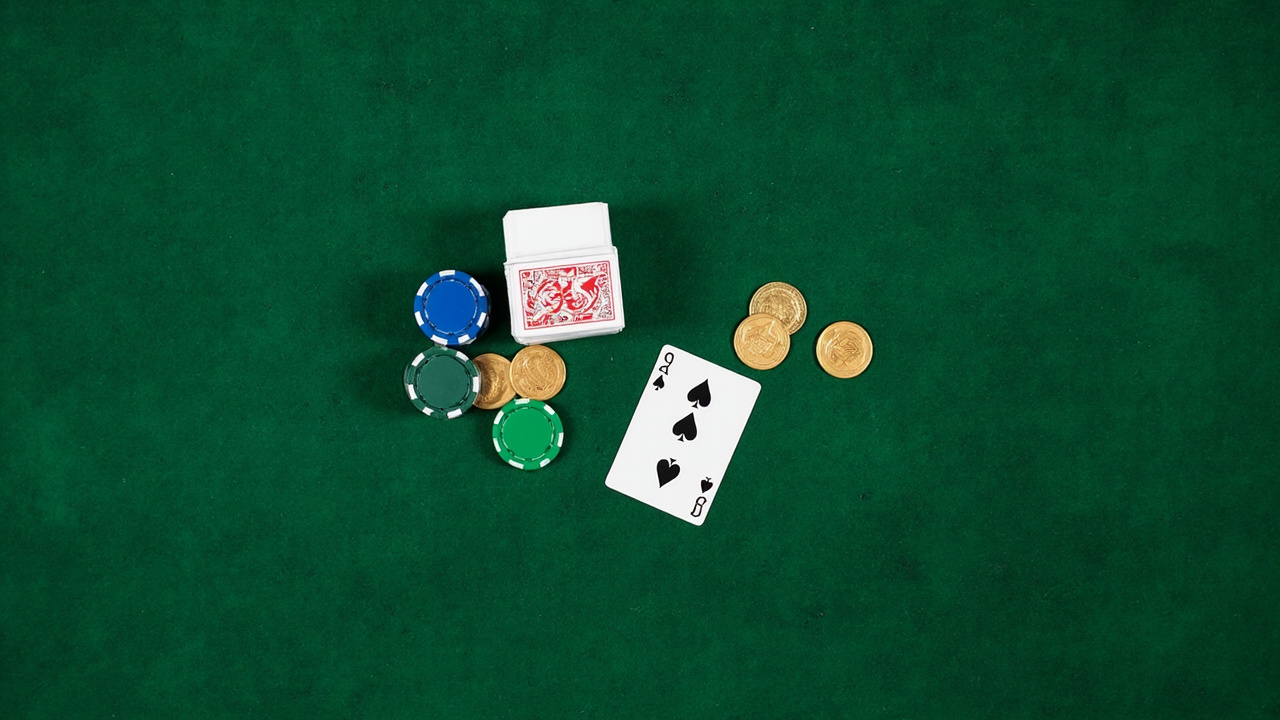
Pot odds are the ratio between the size of the call you face and the total pot you could win, and that ratio tells you whether a draw is profitable over the long run. In practice, it works like balancing a ledger: you compare the cost of staying in against the reward on offer, then decide if the edge is real or just hope. I have spent years reconciling transaction data across time zones, and the same discipline applies here. When a Melbourne tram is packed and every stop feels urgent, rushing a call costs you; when the numbers line up, you move with purpose instead of instinct.
A useful rule of thumb is the 2-to-1 shortcut for a flush or straight draw on the flop, but that only holds when your opponent is not raising the price. If the bet doubles the pot, your break-even equity jumps and a speculative call can turn into a losing habit. Treat each street as a separate transaction, not a single gamble, and you will stop bleeding chips on draws that never arrive.
- Count your outs precisely, then discount ones the opponent can beat.
- Compare the call amount to the pot after your call, not before.
- Adjust for implied odds only when the opponent is deep and likely to pay off.
Reading the table through operational data
Good poker decisions come from the same mindset I use when tracking incident response across international teams: collect the signal, ignore the noise, and act on what the data actually says. Pot odds are your signal. They strip away tilt, ego, and the story you told yourself three hands ago, leaving a clean comparison between risk and reward. When I review service logs, a spike in failed transactions usually points to a specific broken step, not a vague system problem; at the table, a string of bad beats usually points to overpaying for draws, not bad luck.
Consider a Western Sydney cash game where the blinds are tight and players fold to sustained pressure. If the pot sits at $120 and your opponent bets $40, the total becomes $160 and your call is $40, so you are getting 4-to-1 on your money. A flush draw on the flop has roughly 9 outs, which is about 18% equity on the next card, so a 4-to-1 price is profitable only if you expect more value on the turn or river. That extra layer is implied odds, and it is where discipline separates consistent players from recs who chase every colour.
The same logic applies to bankroll management. I have seen operational dashboards where a small leak in one region compounds into a major shortfall, and poker is no different. A few overpriced calls per session feel harmless until the trend line turns red. Keeping your calls aligned with the price the pot is offering protects your stack the way a clean reconciliation protects a balance sheet.
| Scenario | Pot before call | Opponent bet | Your call | Pot odds | Approx equity needed |
|---|---|---|---|---|---|
| Flush draw on flop | $120 | $40 | $40 | 4-to-1 | ~20% |
| Open-ended straight draw | $80 | $20 | $20 | 5-to-1 | ~17% |
| Gutshot with shallow stack | $60 | $30 | $30 | 3-to-1 | ~25% |
Player-fit verdict for Australian tables
This approach suits players who want a repeatable framework rather than a feel-good system, especially across mixed formats where a local card room and an online lobby can throw very different prices at you. If you are the type who logs results, tracks leaks, and prefers a clear line between speculation and value, pot odds give you a defo solid anchor. If you play purely for the social side of a Saturday queue at a Bunnings sausage sizzle, the maths will feel heavy and you are better off keeping stakes low and sessions short.
For players comparing where to play, the lobby matters as much as the maths because game mix and table stakes determine how often you get a fair price. A well-organised lobby with clear table limits and visible blinds helps you find spots where your calculations actually apply, rather than forcing you into games where the numbers are distorted by wild action. Some operators structure their tables and promotions around steady play rather than constant noise, and you can check a goldenbet promo code no deposit bonus only after you have decided what stakes and formats fit your bankroll. I have no interest in promising a win; I am interested in whether the environment gives you enough clean data to use the maths properly.
Two experts I respect frame the caution well. Andrew Edwards, Digital Acquisition Director, Southern Capital Advisory, notes that “players who treat odds as a decision filter, not a crystal ball, tend to survive longer across mixed formats.” Cooper Hughes, Responsible Gambling Adviser, Coral Coast Interactive, adds that “the maths is useful only when it keeps you within limits you set before the first card is dealt.” Both points matter here: the calculation is a tool for discipline, not a licence to chase.
The one-dollar maximum bet has been a long-campaigned-for pokie reform in Australia, and while that fight sits outside poker, it reflects the same appetite for clearer stakes and fairer pricing that pot odds bring to the felt. Mahjong, though a game of skill and tiles, is often played for money across East Asia, which is a reminder that any game can be staked differently depending on the room and the crowd. Your job is to know the price you are paying before you call, and to walk away when the numbers do not support the risk.
If you want a poker pot odds calculation guide that actually changes how you play, start by treating every call as a priced decision, not a guess. Track a few sessions, note where you overpaid, and let the ratios steer you back toward value. Play within your limits, keep the maths honest, and let the edge compound slowly rather than chasing it in a single hand.