
Blackjack Hand Values Explained for Australian Players
 Comunicación TVP
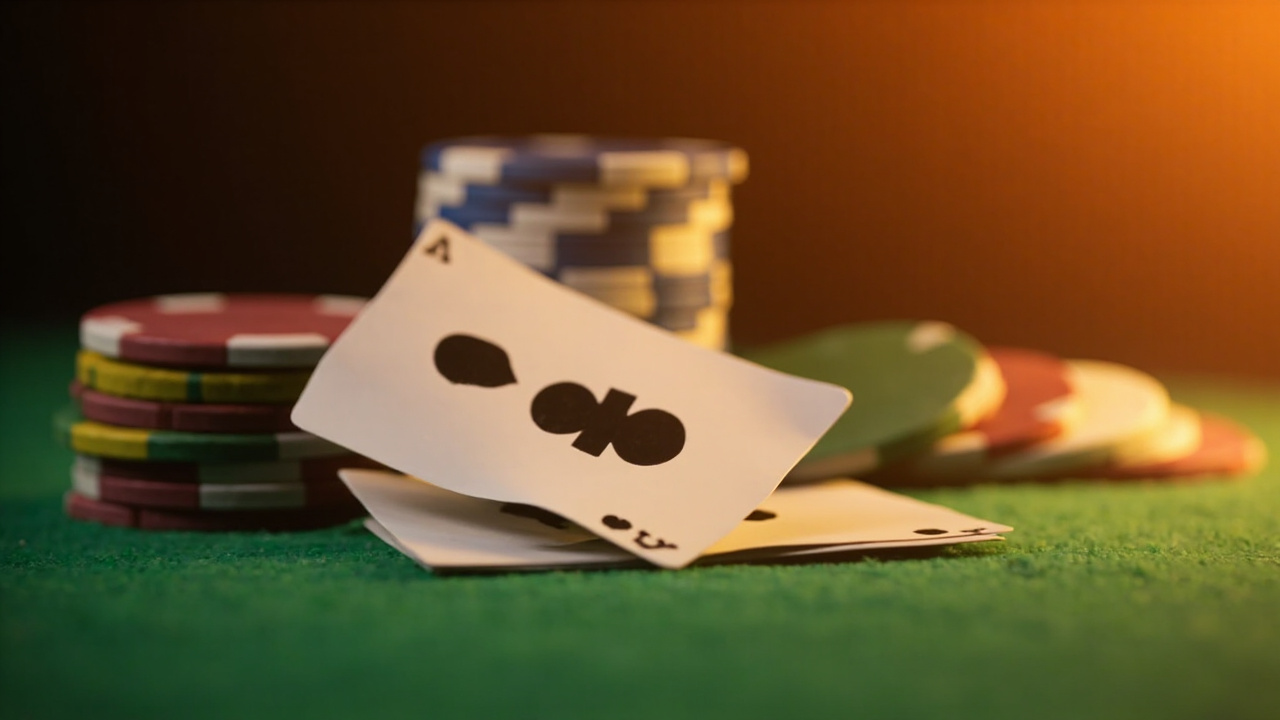
Knowing your totals is the first step to playing blackjack with confidence at any Australian-friendly table. The cards mean what they say, but the choices around them decide whether a session stays profitable after the welcome bonus fades. We have tested the maths, the interface pacing, and the live ops loops so you can judge a product on its long-term behaviour rather than a flashy sign-up offer.
Hand Values Explained
Every blackjack hand starts with a simple sum, but the moment an ace appears, the total becomes flexible. Number cards carry their face value, picture cards count as ten, and an ace shifts between one and eleven depending on what keeps the hand alive. A two-card twenty-one is a natural, paid out immediately and usually resolved before the dealer even touches the shoe. Anything else is a standard total you build on, and the goal is to land on a number higher than the dealer without crossing twenty-two. The soft-versus-hard distinction matters because a soft eighteen can become a nineteen, twenty, or twenty-one with one more card, while a hard eighteen has to stand or risk busting on a single hit.
In practice, the real decision is rarely about the raw number itself. It is about how that total interacts with the dealer’s upcard and the table rules that govern doubles, splits, and late surrender. A soft sixteen against a dealer five is mathematically a different proposition than a hard sixteen against the same card, even though both read as sixteen on the surface. That is why blackjack hand values explained properly always includes the dealer’s visible card as part of the equation, not just your own pile. The maths behind basic strategy is built on those pairings, and once you internalise them, the game stops feeling like guesswork and starts reading like a rhythm you can track over a full arvo.
The table rules around hand values change the expected return more than most players realise. A dealer that stands on soft seventeen tightens the house edge compared with a dealer that hits it, because that extra flexibility gives the house more chances to improve weak totals. Blackjack payouts also interact with hand values, since a reduced thirty-to-two payout on a natural immediately shifts the long-term expectation regardless of how well you play your own hands. Late surrender, double-after-split, and resplitting aces are all rule variations that reward disciplined hand management, and they are worth checking before you commit to a specific table rather than assuming every layout runs the same way. We have seen live ops teams tune these rules to keep the RTP in a narrow band, so the published numbers should match the actual shoe behaviour you see after a few sessions. spinagoonlinepokies.com
A good interface makes those decisions readable under pressure. The visual hierarchy should separate your total from the dealer’s upcard, surface the available actions without clutter, and keep the pace steady enough that you are not rushed into a mistake. In my experience building performance creative and live operations loops, the best products treat decision clarity as a retention feature, not a cosmetic afterthought. When the layout is noisy or the button placement shifts between rounds, even a player who knows the totals will make worse calls simply because the feedback is fighting them. That is the kind of design judgement that separates a table you return to from one you leave after a busy session.
Player-Fit Verdict
This is the right table for you if you want a game where the skill ceiling is visible, the rules are transparent, and the ongoing value comes from repeat play rather than a one-off bonus. If you are chasing a quick thrill and do not care about the maths behind your totals, the hand values will feel slower than other card products, and that slower pace is intentional. The players who stick around are the ones who treat each decision as part of a longer run, using loyalty points, cashback, and recurring promos as the reason to come back instead of relying on a sign-up offer to carry the session. If you prefer a table that rewards disciplined hand management and gives you clear feedback on every hit, stand, double, or split, you will probably find more use here than in a layout that hides the rules behind a flashy skin.

When the welcome offer runs out, the table should still make sense on its own terms. Recurring promos, cashback on losing sessions, and a loyalty tier that actually rewards volume are the features that keep a blackjack table relevant after the first deposit. Tournaments can add a competitive layer for players who enjoy comparing their hand management against others over a fixed window, but they are a bonus, not the core reason to play. The real test is whether the product still feels worth your time when the bonus mechanics are no longer doing the heavy lifting. If the table rules are fair, the interface is clear, and the loyalty loop gives you a reason to return on a Tuesday night as much as on a weekend, then the hand values are doing their job and the product is earning your attention.